Ideas are easy. Operationalization is everything.
May 20, 2026
A follow-up AI envisioning workshop made one point clear: success is not about the number of ideas, but about turning them into robust, business-ready use cases.
I write about this because many organizations are at exactly this point right now: moving from inspiration to execution. The critical shift happens in business design, not in technology selection.

Ideas are generated quickly. Value appears only when an idea becomes a clearly defined and executable use case.

The location matched the objective: create clarity before technology decisions are made.
About four weeks earlier, we had the first session. That workshop focused on basics: What can agents actually do? How do they affect processes? Where does measurable value emerge?
We collected more than 50 ideas and roughly prioritized them. A strong start. But ideas without a plan and concrete actions remain potential on paper.
Follow-up on site: sharpen the business view before the technical stack
In the follow-up workshop, we deliberately stayed in the business domain. Questions included:
- What should be achieved in concrete terms?
- Who exactly is the target group?
- What is the trigger?
- What are input and output?
- What is in scope, and what is explicitly out of scope?
- How large should an agent be: one larger agent or several smaller ones?
We selected two use cases and worked through them in plenary with 20-25 participants. That was the turning point: broad debate, different perspectives, and ultimately better outcomes than isolated thinking.
What surfaced in parallel
The discussion quickly widened:
- What happens when agents take over more and more logic?
- Will classic low-code approaches still be enough in the future?
- Should high-code options, for example with Azure Foundry, be considered from day one?
This reflects where many organizations currently are: right in the middle of orientation.
Three points from the closing discussion
- AI is a journey, and the train is already moving fast. The challenge is to bring the organization along and create an environment where experimentation is possible without creating chaos.
- It requires much more conceptual pre-work than expected. Ideas emerge quickly. Making them concrete enough for implementation is real work. That can happen in parallel with adoption.
- Without a clear IT strategy, building a sustainable AI strategy is difficult. Questions around best-of-breed, vendor strategy, scalability, security, cost control, and adoption come up inevitably.
One question came up repeatedly: Are other companies going through the same discussions? The honest answer is yes. These exact conversations are happening in many places right now.
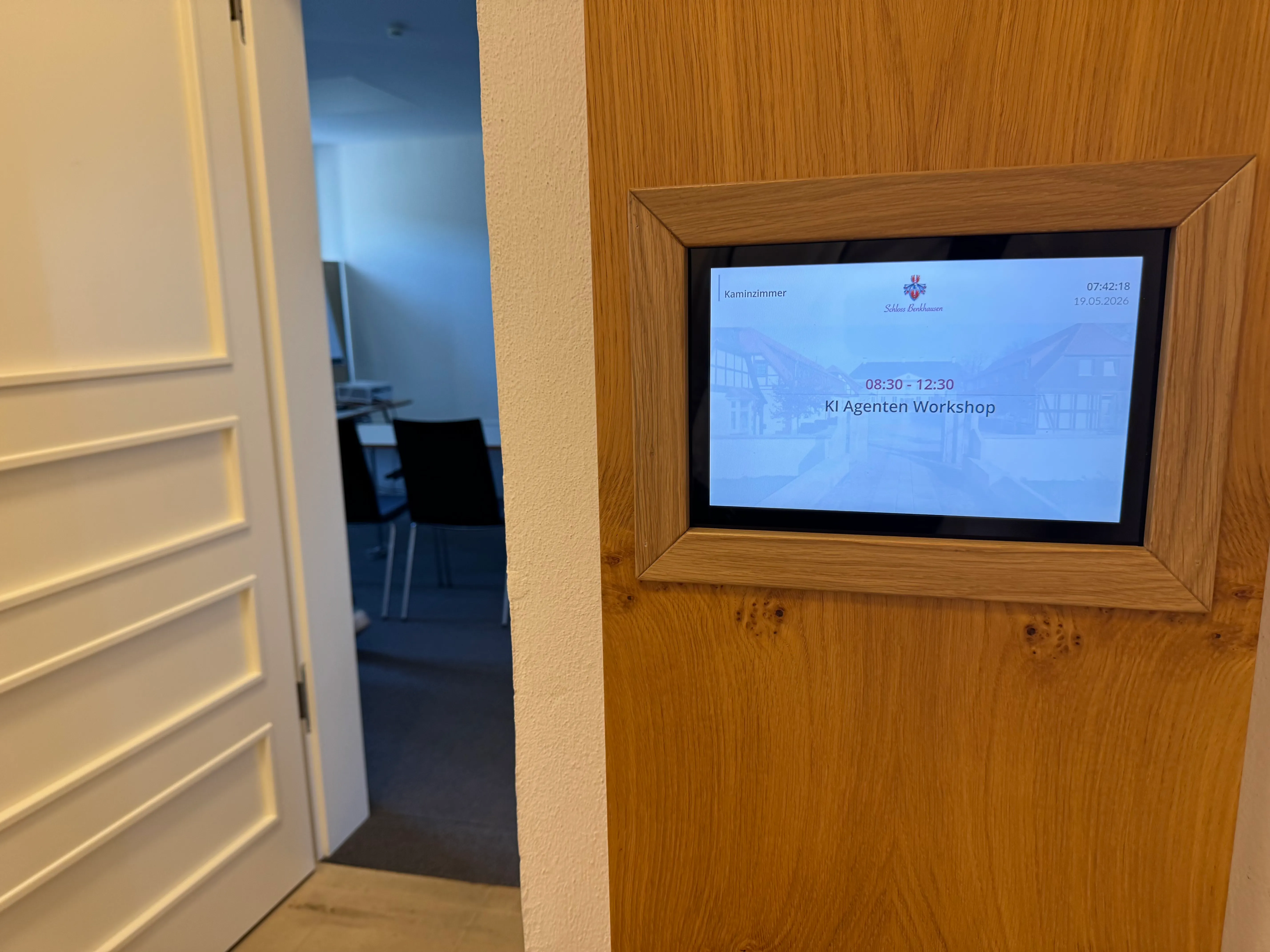
Operationalization does not start with a prompt. It starts with shared understanding of goal, scope, and impact.
My conclusion: Organizational and legal framing is the foundation. Ideas are plentiful in every environment. What matters is the capability to turn ideas into robust, implementable use cases - business first, technology second.